



Wilderness Systems — Exploration Kayaks
Wilderness Systems Exploration Kayaks: Engineered for the Paddler Who Refuses to Stay Close to Shore
Since 1986, Wilderness Systems has served paddlers who view waterways not as destinations but as gateways. Founded in Greenville, South Carolina by Andy Zimmerman and John Sheppard, the brand emerged from a simple conviction: serious expedition kayakers deserve vessels built with uncompromising attention to detail and innovative design. What began as a pursuit of premium craftsmanship has evolved into an industry-leading portfolio of touring kayaks trusted by novice adventurers and seasoned expedition paddlers alike.
The brand's exploration lineup caters specifically to those who measure their journeys in days rather than hours. Multi-day coastal touring expeditions demand vessels that deliver superior tracking through variable conditions, ample storage for gear and provisions, and the kind of all-day comfort that keeps fatigue at bay when the shoreline remains distant. Every hull shape, every outfitting decision, and every storage solution reflects decades of direct feedback from paddlers who push boundaries.
Wilderness Systems understands that expedition kayaking attracts a particular mindset — individuals who find peace in the rhythm of paddle strokes across open water, who seek coastlines inaccessible by foot, and who value self-sufficiency above convenience. The exploration range exists to serve these paddlers with rotomolded durability, thoughtful ergonomics, and the performance characteristics that transform ambitious routes into achievable adventures.
From Day Trips to Extended Expeditions: The Complete Touring Collection
The touring portfolio spans hull lengths from compact 12-foot designs to extended 16-foot expedition platforms, ensuring paddlers find precise matches for their intended waterways and physical dimensions. Shorter models like the Tsunami 125 excel in tight, twisting environments where maneuverability matters, while longer hulls deliver the tracking efficiency essential for open-water crossings and coastal passages.
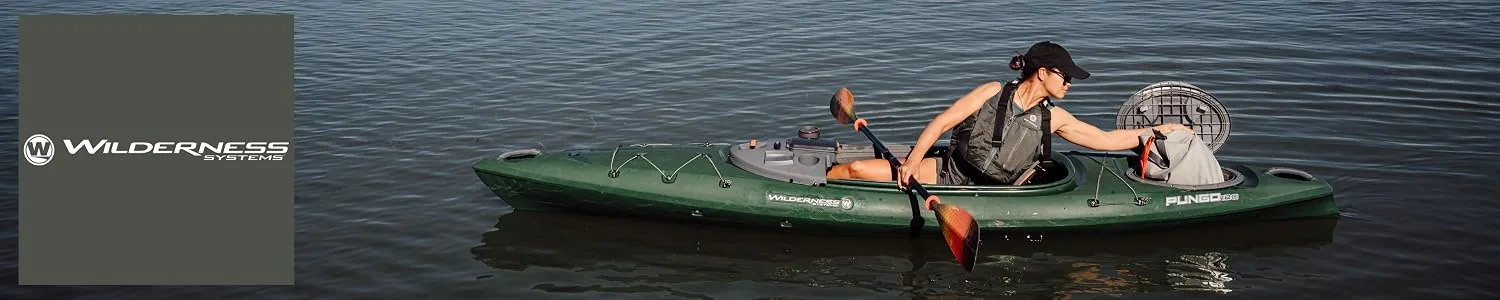
Within this range, sit-inside designs dominate, providing the enclosed cockpit protection that serious touring demands. Each model incorporates multiple storage compartments — bow and stern hatches paired with accessible deck rigging — to accommodate everything from safety equipment to camping provisions. The Pungo series bridges recreational and touring categories, offering the accessibility newer paddlers appreciate alongside performance that grows with developing skills.
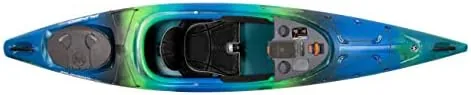
Color options across the lineup include high-visibility choices like Mango alongside subtler tones such as Breeze Blue and Galaxy, allowing paddlers to prioritize safety visibility or aesthetic preference according to their typical paddling environments. Every model ships from the USA facility where rotomolded construction ensures consistent hull integrity regardless of which specific kayak enters production.
S.M.A.R.T. Hull Technology: The Science Behind Superior Tracking
Wilderness Systems engineers developed S.M.A.R.T. Hull Technology as the foundation underlying every touring and expedition model. The acronym represents five performance pillars — Stability, Maneuverability, Acceleration, Responsiveness, and Tracking — that historically required compromise against one another. Traditional kayak design forced paddlers to sacrifice initial stability for speed or surrender tracking efficiency in pursuit of turning agility.
S.M.A.R.T. engineering eliminates these forced trade-offs through computational hull design that optimizes waterline shape, rocker profile, and chine configuration simultaneously. The result delivers primary stability that inspires confidence during gear loading and photography stops, combined with secondary stability that holds steady through beam seas and wake crossings. Acceleration responds crisply to paddle strokes without the sluggish resistance that fatigues paddlers over distance.
Tracking performance receives particular attention given its importance during long open-water crossings. Hull shapes incorporate subtle channels and edges that grip the water directionally, reducing the corrective strokes that accumulate into exhaustion over multi-hour paddles. Models like the Tempest 165 pair this hull intelligence with adjustable skegs, allowing paddlers to tune directional stability according to wind and current conditions encountered during specific passages.
Wilderness Systems Exploration Kayaks: Features That Define Expedition Readiness
- Phase 3 AirPro Seating System Ergonomic cockpit outfitting with adjustable lumbar support and breathable mesh construction maintains comfort across full-day paddles, eliminating the fatigue that compromises stroke efficiency and situational awareness.
- Multiple Sealed Hatches Bow and stern compartments with watertight closures protect gear from spray and immersion, providing the dry storage capacity essential for multi-day expeditions and coastal camping trips.
- SlideTrax Gear Rails Integrated accessory mounting tracks span deck surfaces, allowing paddlers to position GPS units, rod holders, cameras, and safety equipment exactly where personal preference and accessibility dictate.
- Adjustable Skeg Systems Retractable skegs on select touring models enable real-time tracking adjustments, compensating for crosswinds and currents without requiring constant corrective paddle strokes.
- Durable Rotomolded Construction Single-piece polyethylene hulls manufactured in the USA resist impacts, abrasion, and UV degradation, delivering the rugged reliability that expedition paddling through remote coastlines demands.
- Deck Rigging and Bungee Systems Strategically positioned elastic cord networks secure chart cases, hydration bladders, and quick-access items without impeding paddle clearance or emergency re-entry procedures.
Flagship Models That Define the Touring Standard

The Tsunami 145 has earned its reputation as the Swiss army knife of touring kayaks through versatility that accommodates diverse paddling scenarios and body types. At 14.6 feet, this model provides the hull length necessary for efficient tracking while remaining manageable during transport and storage. Larger paddlers particularly appreciate the generous cockpit dimensions and weight capacity that never compromise performance under full expedition loads.
For paddlers seeking maximum efficiency during extended crossings, the Tempest 165 delivers signature performance through 16 feet and 6 inches of refined hull design. Engineers specifically tuned this model for paddlers with smaller frames who require expedition capability without the physical demands of controlling oversized vessels. The adjustable skeg and Phase 3 AirPro seating combine to create an all-conditions touring platform.
The Tsunami 125 carves a distinct niche for those navigating tight, twisting environments where agility matters as much as tracking. Rivers, protected coastlines with frequent headland navigation, and island archipelagos reward the maneuverability this 12.6-foot design provides. The Pungo 120 rounds out the collection as a best-selling option for small to medium paddlers who prioritize accessibility without sacrificing the storage and comfort features that enable longer adventures.
Rotomolded Polyethylene and Fiberglass: Materials Built for Decades of Service
Hull construction across the touring lineup relies on rotomolded polyethylene — a manufacturing process that produces seamless, single-piece shells with consistent wall thickness and exceptional impact resistance. Unlike composite constructions that crack upon reef strikes or rocky landings, rotomolded hulls flex momentarily before returning to original form. This durability proves essential during expedition paddling where unknown hazards lurk beneath murky waters and beach landings occur on unimproved shorelines.
The material itself resists UV degradation through stabilizing additives integrated during manufacturing rather than applied as surface coatings. Paddlers storing kayaks outdoors between trips benefit from colorfastness and structural integrity that persists across years of sun exposure. The polyethylene weight remains manageable for solo car-topping while providing the mass necessary for stable tracking through choppy conditions.
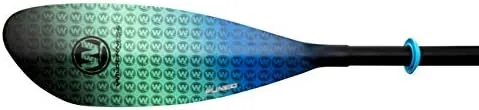
Paddle offerings complement hull materials through fiberglass blade construction paired with adjustable carbon and fiberglass shafts. The Pungo Glass paddle demonstrates this philosophy, matching lightweight durability with the stiffness that transfers paddle energy efficiently to the water. Blade shape and shaft design optimize the stroke mechanics specific to sit-inside touring postures, reducing wrist strain and shoulder fatigue across the thousands of strokes that comprise extended paddling days.
Miles of Comfort: All-Day Performance Without Compromise
Phase 3 AirPro seating transforms the touring experience by eliminating the discomfort that historically limited paddle duration. The system incorporates adjustable lumbar support that maintains spinal alignment through hours of rotational paddling motion. Seat base cushioning distributes weight across the pelvis and thighs, preventing the numbness and circulation issues that force premature shore breaks.
Breathable mesh construction throughout the seating system manages moisture from perspiration and spray, preventing the clammy conditions that breed discomfort and skin irritation during warm-weather paddling. Adjustment mechanisms require no tools, allowing paddlers to fine-tune positioning on the water as fatigue patterns shift throughout extended paddles. Thigh braces complement seat positioning to enable the hip rotation essential for efficient forward strokes and confident bracing maneuvers.
Real-world durability testing across thousands of customer paddle hours confirms that these comfort features persist season after season. Unlike aftermarket seat modifications that compress and lose support over time, the integrated AirPro system maintains its performance characteristics through years of regular use. Paddlers returning from multi-day expeditions consistently report arrival fatigue levels comparable to single-day outings, attributing the endurance gains directly to seating system quality.
Maximizing Your Wilderness Systems Exploration Kayak: Launch to Landing Best Practices
- Pre-Launch Inspection Verify all hatch covers seal properly and check skeg deployment mechanism for smooth operation before leaving the parking area. Confirm deck rigging tension secures essential gear without impeding paddle clearance.
- Loading Strategy Distribute heavy items low in hull compartments near the cockpit to optimize tracking stability. Place frequently accessed items in day hatch compartments or under deck bungees for retrieval without opening sealed storage.
- Seat Adjustment Spend time adjusting Phase 3 AirPro positioning before departing the launch site. Minor changes in lumbar support and seat angle compound into significant comfort differences over hours of paddling.
- Skeg Deployment Lower the skeg partially during crosswind conditions to maintain heading without fighting weathercocking. Retract fully when maneuvering through tight passages or areas with submerged obstructions.
- Post-Paddle Rinse Flush cockpit and deck areas with fresh water after saltwater use to prevent salt crystal accumulation in moving parts. Open hatches to ventilate storage compartments and prevent mildew development.
- Storage Position Support kayaks on their sides or hang from cockpit straps to prevent hull deformation during long-term storage. Avoid prolonged direct sun exposure when possible to maximize UV stabilizer longevity.
Fit and Flotation: Sizing Guidance for Safe Expedition Paddling
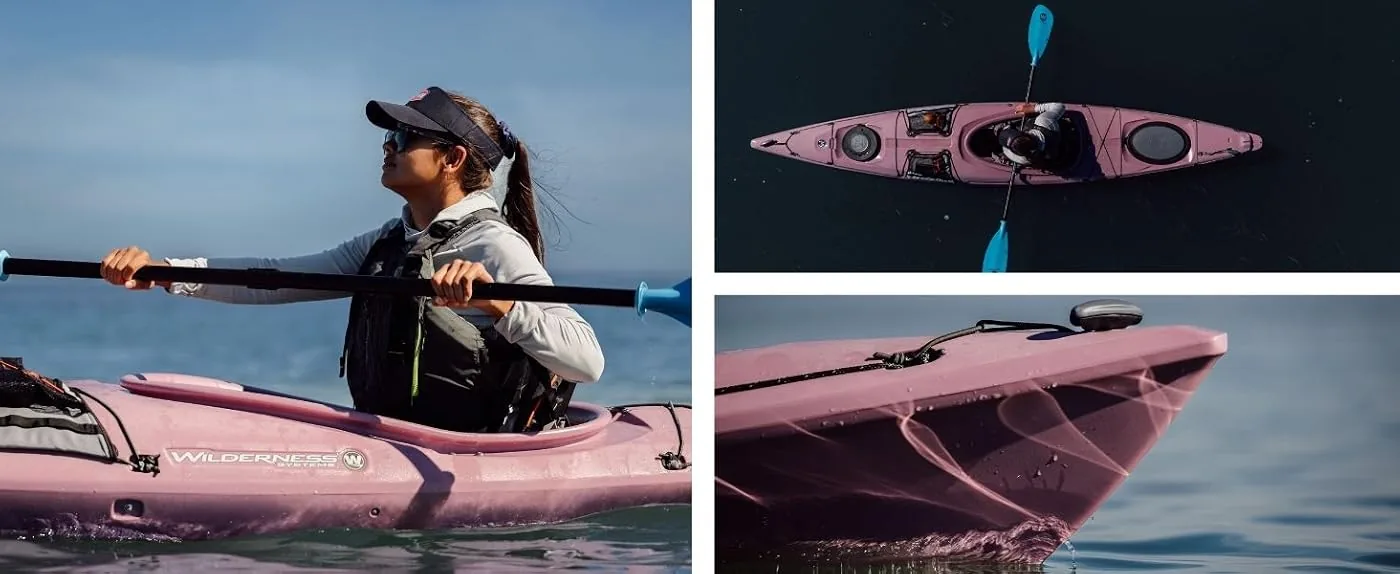
Cockpit Fit Considerations
- Hip width should allow 1-2 inches of clearance from cockpit sides for comfortable rotation
- Thigh braces must contact legs without forcing knee elevation that compromises foot peg positioning
- Lumbar support should reach mid-back when seated in paddling posture
- Foot pegs adjust to maintain slight knee bend when legs rest against braces
Weight Capacity Planning
- Total paddler weight plus gear must remain 15-20% below maximum rated capacity for optimal performance
- Expedition loads should distribute evenly between bow and stern compartments
- Heavy paddlers benefit from longer hull models that provide additional waterline length
- Test loaded stability at launch before committing to open water crossings
The Dedicated Coastal Explorer: Who Thrives in These Touring Platforms
Wilderness Systems touring models serve paddlers who graduated beyond casual recreational outings and now seek vessels capable of matching their ambitions. The ideal owner plans routes measured in nautical miles rather than paddle hours, researches tidal patterns before departure, and carries safety equipment appropriate for conditions beyond swimming distance from shore. These paddlers value self-sufficiency and find satisfaction in covering coastline under their own power.
Multi-day expedition enthusiasts represent the core audience. These adventurers require the storage capacity to carry camping gear, provisions, and safety equipment for overnight or extended trips. The sealed hatch systems and deck rigging accommodate the volume and organization such trips demand. Whether establishing basecamp at remote beaches or island-hopping through archipelagos, the touring lineup provides the platform for ambitious itineraries.
Advancing recreational paddlers also find their progression path within this range. The Pungo series particularly suits those transitioning from pond paddling toward protected coastal exploration. These models provide the stability and accessibility that builds confidence while delivering performance that reveals itself as skills develop. Many paddlers begin with Pungo models before advancing to Tsunami or Tempest designs as their ambitions expand.
Matching Paddler to Perfect Exploration Kayak: The Selection Framework
Hull length serves as the primary selection criterion, with paddler height, weight, and intended water conditions driving the decision. Shorter paddlers under 5'6" often find the Tempest 165 provides expedition capability without the control challenges longer hulls present for smaller frames. Mid-range paddlers between 5'6" and 5'10" typically match well with the Tsunami 145, which balances tracking efficiency against maneuverability.
Intended water conditions further refine selection. Paddlers focusing on rivers and protected bays benefit from the Tsunami 125's agility through tight passages and its responsiveness to quick directional changes. Those planning open coastal crossings and multi-day expeditions should prioritize longer hulls like the Tsunami 145 or Tempest 165 for their superior tracking and wave-handling characteristics.
Weight capacity deserves careful attention, particularly for expedition paddlers carrying full camping loads. Each model specifies maximum capacity, but optimal performance requires remaining well below these limits. A 200-pound paddler planning week-long expeditions with 50 pounds of gear should select models rated for significantly more than 250 pounds total. The additional hull volume provides the buoyancy and stability that loaded paddling demands.
Finally, cockpit dimensions must accommodate paddler anatomy for comfortable rotation and confident bracing. Narrower hips fit comfortably in most touring cockpits, while broader builds benefit from models with generous beam measurements. Test sitting in cockpits before purchase whenever possible — proper fit transforms the paddling experience.
Wilderness Systems Exploration Kayaks vs. Leading Touring Alternatives
| Feature | Wilderness Systems | Perception Kayaks | Dagger Kayaks |
|---|---|---|---|
| Hull Technology | S.M.A.R.T. Hull combining 5 performance pillars | Standard rotomolded construction | Contour Ergo outfitting focus |
| Seating System | Phase 3 AirPro with adjustable lumbar | Basic padded seat | Contour Ergo seating system |
| USA Manufacturing | Yes — Greenville, SC facility | Select models only | Select models only |
| Skeg Options | Adjustable on touring models | Limited availability | Available on select touring models |
| Gear Track System | SlideTrax integrated rails | Aftermarket compatible | Aftermarket compatible |
| Touring Length Range | 12.2 ft to 16.6 ft | 10 ft to 15 ft | 10.5 ft to 14.5 ft |
| Storage Configuration | Bow/stern hatches + deck rigging | Single stern hatch typical | Dual hatch on select models |
Comparison based on publicly available specifications for comparable touring-class sit-inside kayak models from each manufacturer.
Preserving Performance: Maintenance Protocols for Touring Hulls
- Freshwater Rinse After every saltwater paddle, rinse all surfaces and moving parts including skeg mechanisms with fresh water. Salt crystals accelerate wear on cables and hinges when allowed to accumulate.
- Hatch Seal Inspection Examine rubber hatch covers monthly for cracks, compression set, or debris accumulation that compromises watertight seals. Apply 303 Protectant or similar UV-blocking treatment quarterly.
- Skeg Cable Maintenance Flush skeg housing with freshwater after each use and periodically lubricate cable with marine-grade lubricant. Inspect for fraying or kinking that indicates replacement need.
- Hull Scratch Treatment Minor surface scratches from beach landings require no treatment — rotomolded polyethylene handles such wear. Deep gouges can be repaired with polyethylene welding techniques if structural integrity concerns arise.
- UV Protection Store kayaks out of direct sunlight when possible. Apply 303 Aerospace Protectant or marine-grade UV treatment to hull surfaces annually if outdoor storage is unavoidable.
- Hardware Inspection Check all deck fittings, bungee attachments, and carrying handles before each season. Tighten fasteners as needed and replace any corroded stainless hardware immediately.