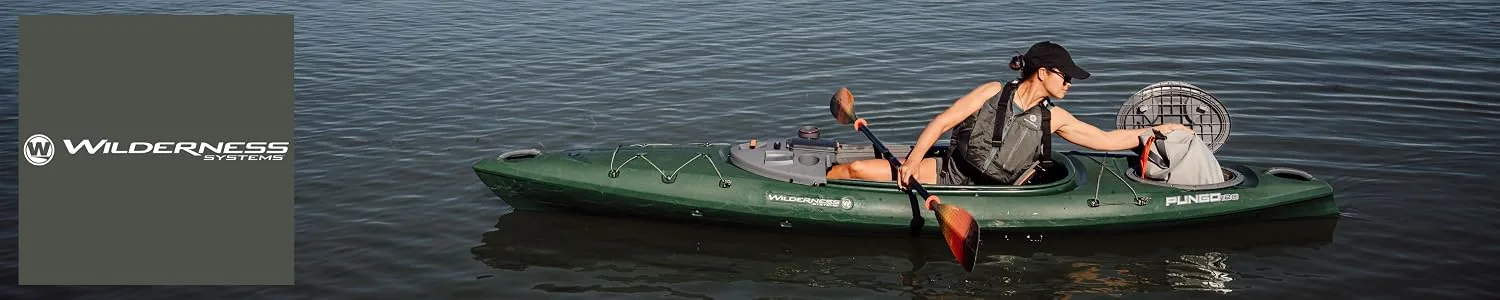
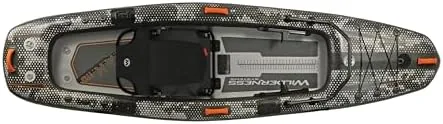
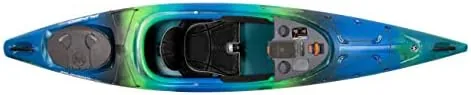

Wilderness Systems — Recreational Kayaks
Wilderness Systems Recreational Kayaks: Crafted for Paddlers Who Demand More from Every Stroke
Since 1986, Wilderness Systems has built its reputation on one unwavering principle: every paddler deserves a kayak that performs as beautifully as the waters they explore. Founded by Andy Zimmerman and John Sheppard in Greenville, South Carolina, the brand emerged from a genuine passion for paddling and a frustration with compromises that plagued recreational watercraft. Today, their recreational kayaks serve everyone from first-time lake explorers to seasoned river enthusiasts who understand that stability, comfort, and precise handling transform an ordinary outing into an extraordinary experience.
The brand speaks directly to paddlers who refuse to settle for basic designs that sacrifice performance for accessibility. These kayaks accommodate novice paddlers seeking confidence on calm waters while satisfying experienced enthusiasts who demand responsive handling and efficient tracking. The Phase 3 AirPro seating system exemplifies this dual commitment, providing ergonomic support that keeps paddlers comfortable during extended sessions without compromising the athletic positioning that skilled kayakers require.
Wilderness Systems understands that recreational paddling encompasses far more than casual weekend trips. Their kayaks support everything from tranquil morning paddles across glassy lakes to full-day river explorations and multi-session family vacations. This versatility stems from decades of listening to actual paddlers, incorporating their feedback into designs that anticipate real-world needs rather than theoretical specifications.
From Calm Lakes to Gentle Rivers: A Fleet for Every Paddling Adventure
The recreational kayak lineup spans multiple lengths, widths, and hull configurations to match diverse paddler profiles and water conditions. The Pungo series anchors the collection with sit-inside designs that have earned legendary status among recreational paddlers, while the Aspire series offers nimble handling for those prioritizing maneuverability over pure tracking speed. Each model addresses specific paddling scenarios, ensuring buyers find their ideal match rather than forcing compromises.
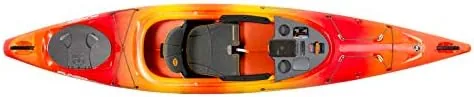
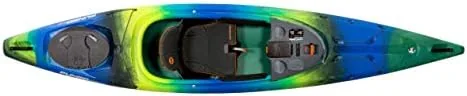
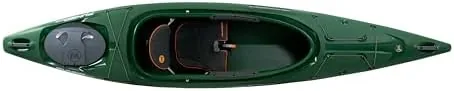
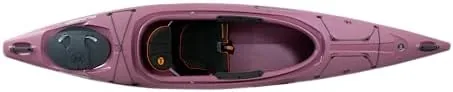
Length options range from compact 10-foot 6-inch models ideal for easy transport and tight waterways to 12-foot 6-inch designs that maximize glide efficiency and storage capacity. Width variations accommodate different paddler builds and stability preferences, with wider hulls providing rock-solid platforms for photography, bird watching, or simply relaxing on the water. Color options including Galaxy, Mango, Forest Green, and Purple Dawn allow personal expression while maintaining the professional-grade construction standards across every variant.
Storage configurations vary across models to support different trip durations and gear requirements. Some paddlers need minimal space for afternoon essentials, while others require substantial capacity for picnic supplies, camera equipment, or overnight camping gear. The product range addresses these varying demands through thoughtful hatch placements, tank well designs, and deck rigging systems that keep essentials accessible without cluttering the cockpit.
S.M.A.R.T. Hull Technology: Where Science Meets the Water
The engineering philosophy behind every recreational kayak centers on S.M.A.R.T. Hull Technology, an integrated design approach that balances five critical performance attributes: Stability, Maneuverability, Acceleration, Responsiveness, and Tracking. Rather than maximizing one characteristic at the expense of others, this system optimizes the interplay between all five, creating hulls that feel intuitive from the first paddle stroke while revealing sophisticated performance as skills develop.
Stability comes from precisely calculated waterline widths and hull cross-sections that resist tipping without creating the sluggish, barge-like feel common in budget recreational kayaks. Maneuverability derives from rocker profiles and chine designs that allow efficient turning without sacrificing straight-line tracking. Acceleration responds to paddle input immediately, converting each stroke into forward momentum rather than wasting energy through hull flex or inefficient water displacement.
Responsiveness ensures the kayak follows paddler intentions predictably, building confidence through consistent feedback and predictable handling. Tracking keeps the kayak moving in the desired direction between strokes, reducing the corrective effort that exhausts paddlers on longer outings. This integrated approach explains why experienced paddlers often describe these kayaks as extensions of their bodies rather than separate vessels requiring constant management.
The development process involves extensive water testing across varied conditions, with professional paddlers and recreational enthusiasts providing feedback that shapes final designs. Computer modeling establishes theoretical performance parameters, but real-world validation ensures those theories translate into tangible benefits on actual waterways.
Essential Features of Wilderness Systems Recreational Kayaks for Confident Paddling
- Phase 3 AirPro Seating System Mesh fabric covers combined with honeycomb-vented, ergonomic 3D foam deliver exceptional breathability and lumbar support. Fully adjustable positioning accommodates paddlers of different heights and torso lengths, maintaining comfort during multi-hour sessions.
- Rotomolded Polyethylene Construction Durable single-piece hulls manufactured in the USA resist impacts, UV degradation, and the general wear that comes from regular use. This construction method creates seamless, watertight shells that maintain structural integrity season after season.
- Adjustable Foot Braces Customizable positioning allows paddlers to optimize their leg drive and overall ergonomics. Proper foot brace placement improves paddling efficiency and reduces fatigue by engaging larger muscle groups effectively.
- Generous Cockpit Dimensions Easy entry and exit accommodate paddlers wearing bulky clothing or personal flotation devices. The spacious design also allows freedom of movement for photography, fishing, or simply shifting position during long paddles.
- Integrated Storage Solutions Sealed hatches protect valuables from splashes and rain, while deck bungees secure quick-access items. Tank wells accommodate coolers, dry bags, or additional gear for extended outings.
- Carry Handles and Ergonomic Design Strategically placed handles facilitate solo transport, while overall weight remains manageable for car-top loading. Deck layouts consider real-world portaging scenarios, not just on-water aesthetics.
Paddler Favorites: The Pungo and Aspire Series That Keep Enthusiasts Coming Back

The Pungo 120 consistently ranks among the most recommended sit-inside recreational kayaks, earning its reputation through exceptional all-around performance. At 12.2 feet, it provides the length necessary for efficient tracking while remaining manageable for solo transport. Small to medium-sized paddlers find the cockpit dimensions particularly accommodating, with the Phase 3 AirPro seating system ensuring comfort throughout full-day adventures. Available colorways including Galaxy, Mango, Forest Green, and Purple Dawn offer visual variety while maintaining identical performance specifications.
Larger paddlers gravitate toward the Pungo 125, which stretches to 12 feet 6 inches and accommodates higher weight capacities without sacrificing the handling characteristics that define the series. The additional length improves glide efficiency and increases storage volume for extended trips. Both Galaxy and Forest Green colorways maintain the distinctive aesthetic quality while signaling the model's premium positioning within the recreational category.
The Aspire 105 serves paddlers prioritizing maneuverability over pure tracking efficiency. At 10 feet 6 inches, it excels on flat or slow-moving water where easy handling and responsive turning matter more than straight-line speed. The adjustable skeg provides versatility, allowing paddlers to dial in tracking assistance when conditions warrant while maintaining full maneuverability when navigating tight waterways or practicing skills. This model bridges the gap between pure recreational paddling and skill development, supporting paddlers as their abilities evolve.
American-Made Rotomolded Hulls Built for Decades of Use
Every recreational kayak in the lineup features hulls constructed from high-density polyethylene using rotational molding processes at U.S. manufacturing facilities. This method involves rotating molds while heating polymer powder, allowing the material to coat interior surfaces evenly and create seamless, one-piece hulls without joints or weak points. The result is exceptional impact resistance combined with inherent UV stability that maintains structural integrity through years of outdoor storage and intense sun exposure.
The polyethylene formulation includes proprietary additives that enhance performance beyond standard recreational kayak materials. Colorants penetrate throughout the hull rather than sitting as surface coatings, meaning scratches reveal the same color rather than contrasting base material. Stabilizers prevent the molecular degradation that causes cheaper plastics to become brittle over time, ensuring hulls retain their flex characteristics and impact absorption properties across multiple seasons of active use.
Deck fittings, hatch covers, and hardware attach through reinforced mounting points engineered into the hull design. These connections distribute stress across larger areas, preventing the cracking and failure common when accessories attach directly to unreinforced plastic. Carrying handles incorporate similar engineering, recognizing that transport represents one of the highest-stress situations any kayak experiences. The attention to connection points reflects the brand's understanding that durability depends on system-wide engineering rather than impressive specifications for isolated components.
All-Day Comfort and Season-After-Season Reliability on the Water
Paddlers consistently report multi-hour sessions without the lower back fatigue, hip pressure, or numbness that plague users of lesser recreational kayaks. The Phase 3 AirPro seating system deserves primary credit, with its honeycomb-vented foam maintaining air circulation that prevents heat buildup and moisture accumulation. The mesh fabric covers resist stretching and sagging even after thousands of hours of use, maintaining consistent support characteristics throughout the product's lifespan.
Durability extends beyond the seating system to encompass every component. Hull surfaces resist the scrapes and abrasions that accumulate through normal launching, landing, and storage practices. Deck hardware maintains secure attachment despite repeated gear loading and unloading cycles. Hatch covers preserve their watertight seals through temperature fluctuations that cause lesser materials to warp or degrade. Paddlers report years of regular use without significant performance degradation or component failures requiring replacement.
On-water performance matches the comfort and durability characteristics. The kayaks track efficiently without constant correction strokes, glide smoothly between paddle inputs, and respond predictably to turning inputs. Initial stability inspires confidence in novice paddlers, while secondary stability provides the security needed when reaching for cameras, binoculars, or fishing rods. This combination of attributes creates experiences that paddlers genuinely enjoy rather than merely tolerate, encouraging regular use that justifies the premium investment.
Getting the Most from Your Wilderness Systems Recreational Kayak
- Proper Seat Adjustment Before launching, adjust the seat back angle, lumbar support, and bottom pad position to match your body and paddling style. Spending five minutes on proper setup prevents hours of discomfort and improves stroke efficiency.
- Foot Brace Positioning Set foot braces so your knees maintain a slight bend when legs are extended. This position allows effective leg drive during paddling while keeping muscles relaxed during rest periods.
- Weight Distribution Load heavier items in the center of the kayak, close to the seat position. Gear stored in bow or stern hatches should balance evenly to prevent the kayak from tracking to one side or riding bow-heavy.
- Paddle Selection Choose paddle length based on your height and the kayak's width. Longer paddles suit wider kayaks, while shorter options reduce effort for narrower designs. Quality paddles dramatically improve the experience.
- Regular Rinse Protocol After saltwater or sediment-heavy freshwater use, rinse the kayak with clean water before storage. This practice prevents corrosion on metal components and extends the life of deck rigging and bungee cords.
- UV Protection During Storage Store the kayak out of direct sunlight when possible, or use a UV-protective cover. While the hull resists degradation, minimizing sun exposure extends the lifespan of seating materials, bungees, and other exposed components.
Finding Your Perfect Fit: Sizing and Stability Considerations
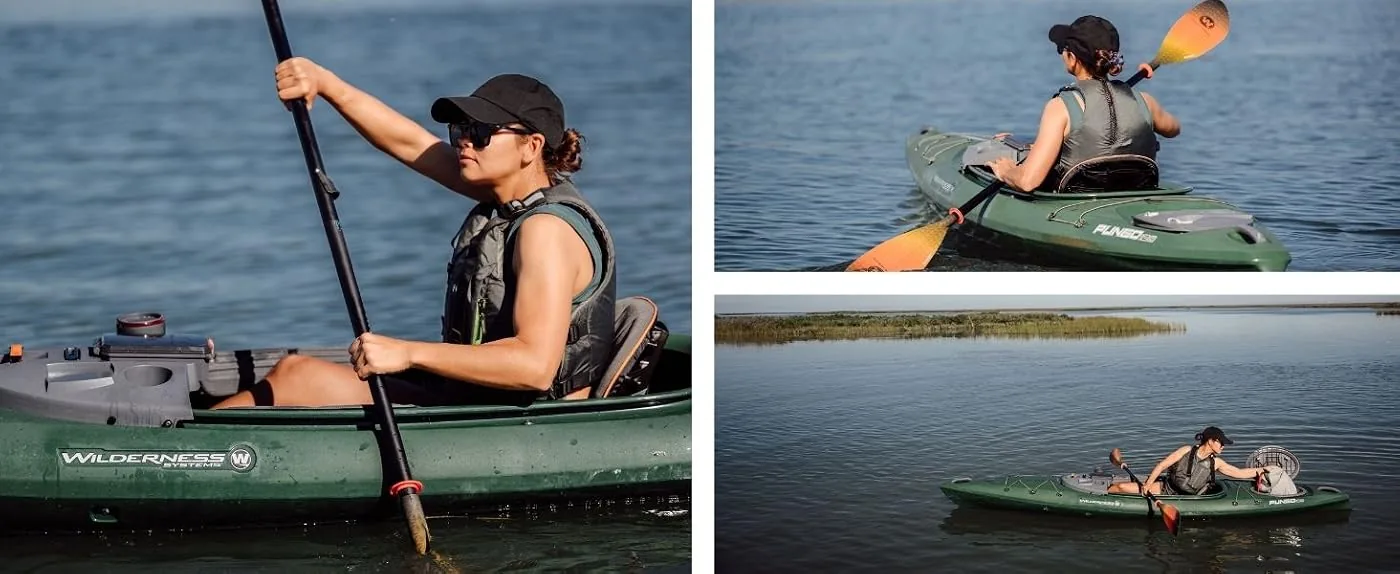
Paddler Size Matching
- Small to medium paddlers (under 180 lbs): Pungo 120 offers ideal cockpit dimensions
- Medium to large paddlers (180-275 lbs): Pungo 125 provides extra capacity and legroom
- All paddler sizes seeking maneuverability: Aspire 105 excels regardless of weight
Stability Factors
- Wider hulls provide more initial stability for beginners and photographers
- Narrower designs improve efficiency for paddlers comfortable with kayak balance
- All models feature reassuring secondary stability for reaching and leaning
The Perfect Match for Lake Enthusiasts, Nature Photographers, and Weekend Explorers
These recreational kayaks serve paddlers who view time on the water as essential rather than occasional. Lake enthusiasts appreciate the efficient tracking that covers distance without exhaustion, combined with stability platforms that allow relaxed appreciation of shoreline scenery. The kayaks handle wind and light chop confidently, expanding paddling opportunities beyond perfectly calm conditions into the realistic weather variations that active paddlers encounter.
Nature photographers find the stability particularly valuable, providing secure platforms for telephoto lens work without the constant bracing required in tippy designs. Generous cockpit dimensions allow camera positioning and bag access without the contortions that lead to missed shots or dangerous weight shifts. The quiet hull designs approach wildlife without the alarming sounds created by cheaper plastics, improving opportunities for close-range observation and photography.
Weekend explorers benefit from the storage capacity and durability that support regular use without deterioration. These paddlers might visit different waterways each weekend, encountering varied launch conditions from sandy beaches to rocky banks. The rotomolded construction handles these demanding scenarios without the stress marks or hull damage that accumulate on lesser kayaks, maintaining both appearance and resale value through years of active exploration.
Selecting the Right Recreational Kayak for Your Paddling Goals
Choosing between models requires honest assessment of paddling priorities, physical characteristics, and typical water conditions. Length serves as the primary differentiator, with longer kayaks tracking straighter and gliding farther between strokes while shorter designs turn more responsively and handle tight waterways more easily. Paddlers covering significant distances on open water benefit from additional length, while those navigating winding streams or prioritizing portability favor compact options.
Weight capacity determines whether a kayak supports your body weight plus intended gear without compromising performance. Operating near maximum capacity reduces stability and efficiency, while significant unused capacity makes the kayak more affected by wind and waves. The Pungo 125 accommodates larger paddlers and heavier gear loads, while the Pungo 120 and Aspire 105 suit lighter paddlers who benefit from the reduced hull weight during transport and launching.
Consider your skill trajectory alongside current abilities. Beginners might initially value the shorter Aspire 105's forgiving handling, but paddlers planning to develop their skills might choose a Pungo model that rewards improved technique with better tracking and efficiency. The adjustable features across all models accommodate skill development, but hull characteristics establish fundamental handling parameters that remain constant.
Storage requirements vary dramatically between day paddlers and those planning overnight trips or equipment-intensive activities like photography. The larger Pungo models provide substantially more sealed storage in bow and stern hatches, protecting gear during capsizes or heavy rain. Day paddlers might prioritize the lighter weight and easier handling of shorter designs, accepting reduced storage as an acceptable tradeoff.
Wilderness Systems Recreational Kayaks Compared to Leading Alternatives
| Feature | Wilderness Systems Pungo 120 | Perception Pescador 12 | Old Town Vapor 12 |
|---|---|---|---|
| Length | 12.2 ft | 12 ft | 12 ft |
| Hull Material | Rotomolded Polyethylene (USA) | Rotomolded Polyethylene | Single Layer Polyethylene |
| Seating System | Phase 3 AirPro (vented, adjustable) | Adjustable mesh seat | Comfort Flex seat |
| Hull Technology | S.M.A.R.T. Hull (5-factor optimized) | Tunnel hull design | Standard recreational hull |
| Cockpit Size | Large, accommodating | Medium-large | Medium |
| Weight Capacity | 325 lbs | 375 lbs | 325 lbs |
| Storage Features | Bow/stern hatches, tank well | Center console, tank well | Stern hatch, deck bungees |
| Typical Retail Price | Premium tier | Mid-range | Mid-range |
| Warranty | Limited lifetime hull | 5 years | Limited lifetime |
Specifications based on manufacturer data at time of publication. The Phase 3 AirPro seating and S.M.A.R.T. Hull Technology represent exclusive Wilderness Systems innovations unavailable from competitors.
Keeping Your Kayak Ready for Every Adventure: Maintenance Essentials
- Post-Trip Rinse Fresh water rinses remove salt, sand, and debris that accelerate wear on moving parts and degrade bungee elasticity. Pay attention to hatches, handles, and seat adjustment mechanisms where grit accumulates.
- Hull Inspection Routine Check for deep scratches or gouges after each use, particularly on the keel line. Minor scratches indicate normal use, while deep damage might require professional assessment to ensure hull integrity.
- Hardware Lubrication Periodically apply marine-grade lubricant to hatch hinges, seat adjusters, and any other moving metal components. This prevents corrosion and maintains smooth operation throughout the season.
- Seat Fabric Care Remove the seat periodically for thorough cleaning with mild soap and water. Allow complete drying before reinstallation to prevent mildew growth in the foam and mesh materials.
- Storage Position Store on edge or suspended from ceiling straps rather than resting on the hull for extended periods. Flat storage on hard surfaces can cause hull deformation over time, affecting tracking performance.
- Bungee Cord Replacement Replace deck bungees when they lose elasticity or show UV damage. Fresh cords maintain secure gear retention and preserve the kayak's functional appearance.